
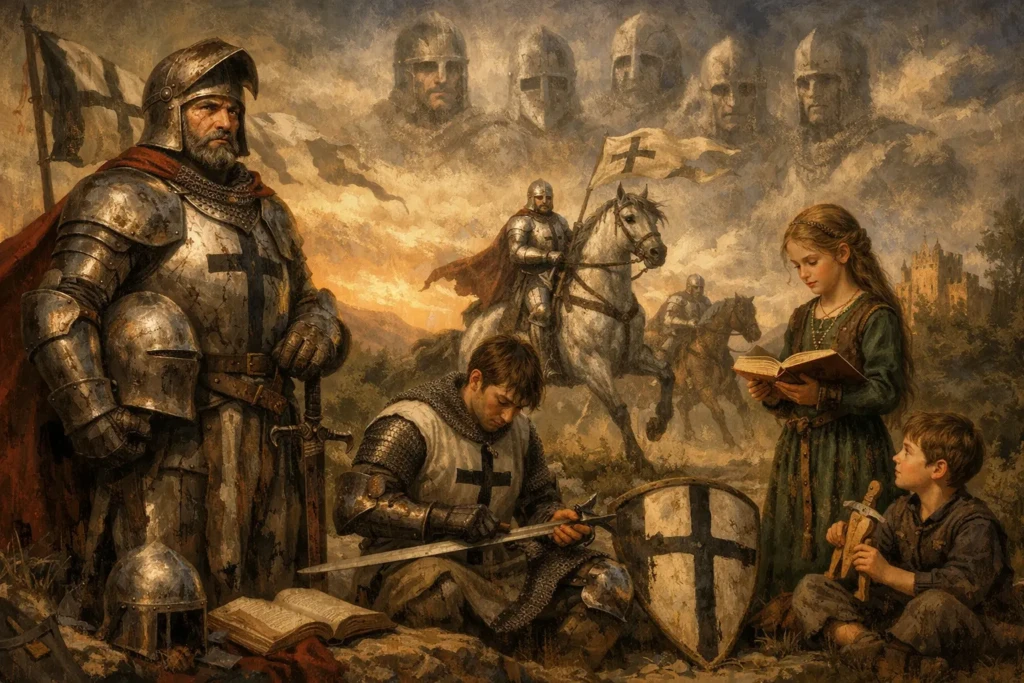
Why the two concepts often get confused
Many people treat family business and legacy as identical ideas. They assume passing ownership equals lasting impact. This assumption causes problems. Ownership does not guarantee meaning. Blood ties do not preserve values. Legacy requires intention.
Family business prioritizes continuity
Family businesses often focus on stability. They preserve structure. They protect hierarchy. This approach offers security. However, stability can block evolution. Change feels threatening. Innovation feels risky. As a result, businesses stagnate. Younger voices disengage. Relevance fades.
Legacy focuses on influence
Legacy centers on values. It asks deeper questions. Why does this work matter. Who benefits from it. What remains after leadership changes. Legacy spreads through belief rather than obligation. People carry legacies forward because they choose to.
Control limits adaptability
Family control can trap businesses in old thinking. Decisions favor familiarity. Risk avoidance dominates strategy. Legacy thinking encourages succession. It prepares others to lead. It invites transformation. Leaders focused on legacy train successors. They share reasoning. They explain principles.
Ego determines direction
Ego protects authority. Purpose distributes responsibility. Ego demands loyalty. Purpose inspires commitment. When ego dominates, organizations shrink inward. When purpose leads, impact expands outward. Legacy builders remove themselves from the center.
Gaming communities illustrate this clearly
Some channels function as personal brands only. Others become learning hubs. PopsTheCEO represents the second type. The content emphasizes mindset. It values empathy. It encourages critical thinking. Viewers adopt habits. They change behavior. They apply lessons beyond games. That creates legacy.
Legacy survives leadership changes
Family businesses risk collapse after founders leave. Legacy-driven systems survive transition. Values remain intact. Culture persists. People protect what they believe in.
Final thoughts
A family business sustains relatives. A legacy shapes futures. One relies on ownership. The other relies on meaning. Leaders must decide which path they follow.